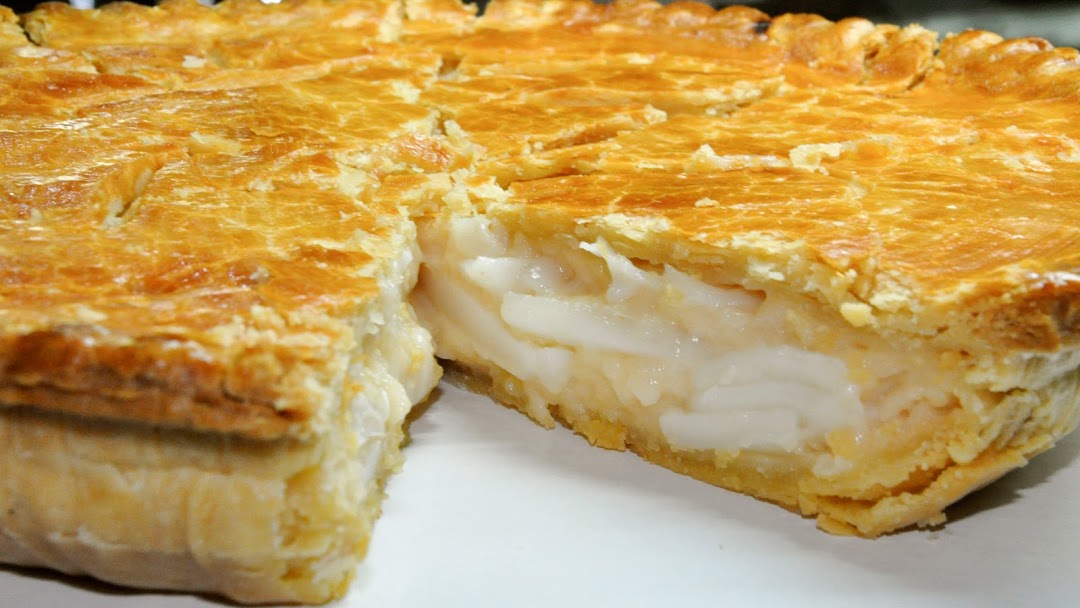
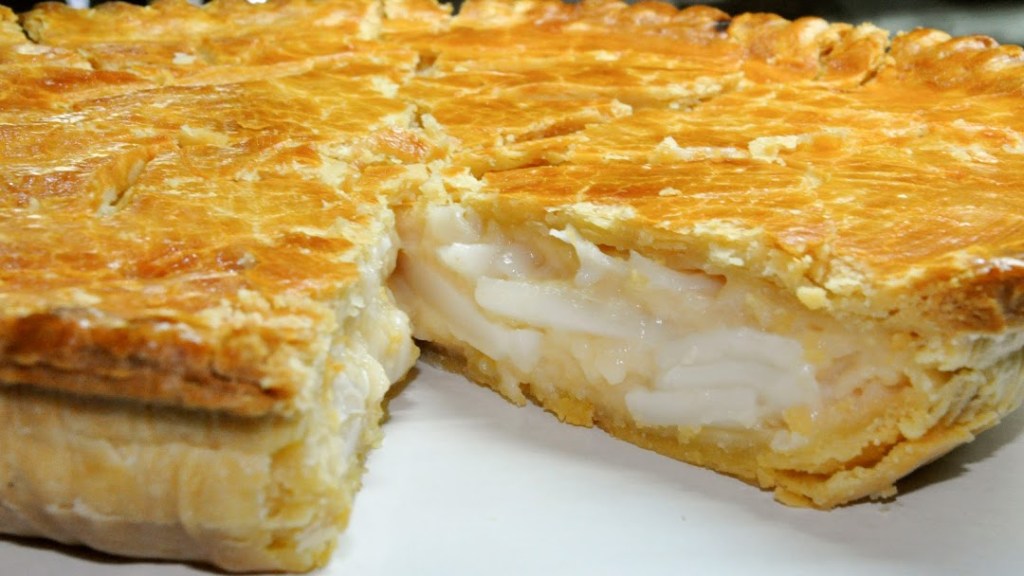
Buko pie, sometimes called as coconut pie, it is a traditional Filipino baked young-coconut (malauhog) custard pie. It is considered a specialty in the city of Los Baños, Laguna located on the island of Luzon.
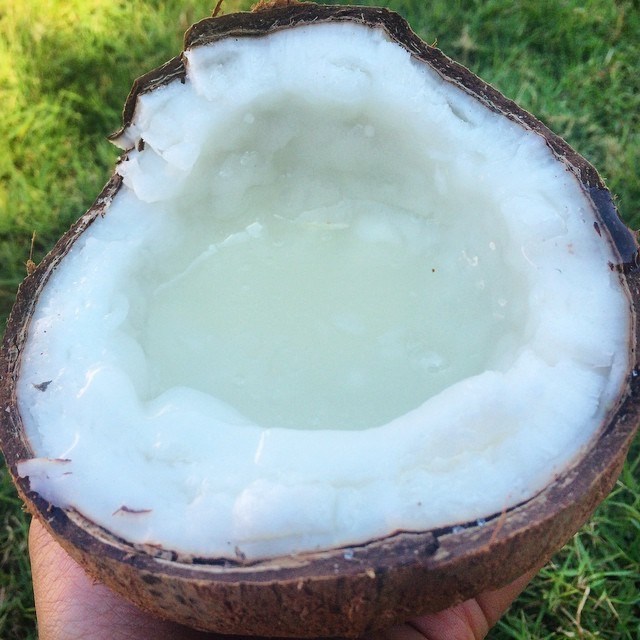
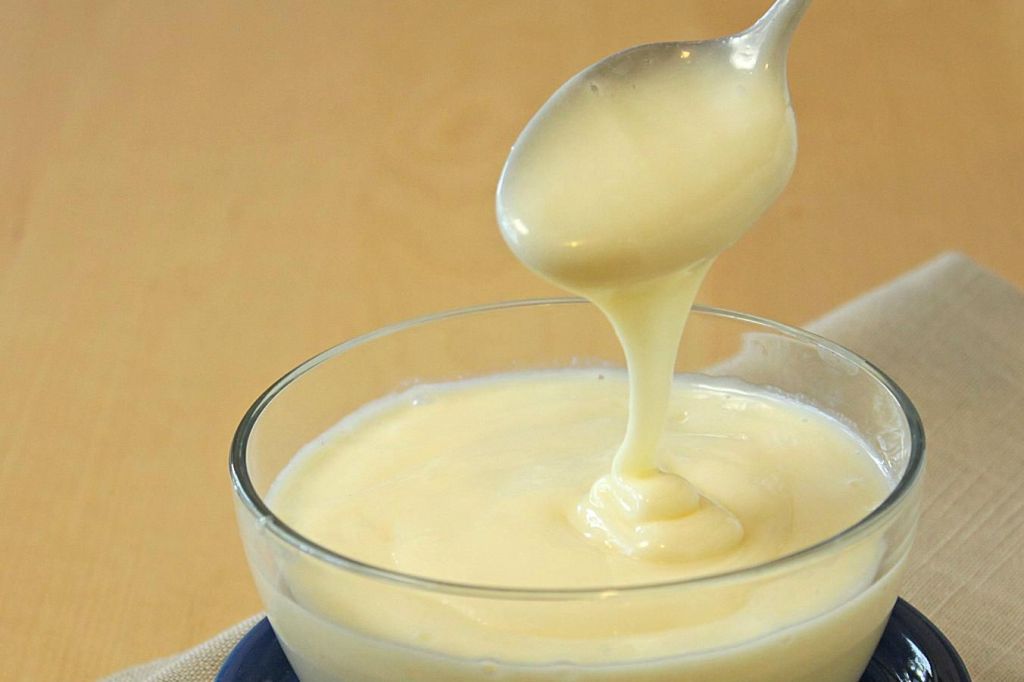
Popular with Filipinos, it resembles a coconut cream pie, except that it is made with young coconuts (buko in Tagalog) and has neither cream in the coconut custard filling or meringue swirls on top of the baked coconut custard. Instead, the pie uses sweetened condensed milk, which makes it denser. The pie is made with buko meat. There are also variations of the pie, which are similar but use slightly different ingredients, such as macapuno pie, that uses macapuno, special type of coconut that is thick and sticky.
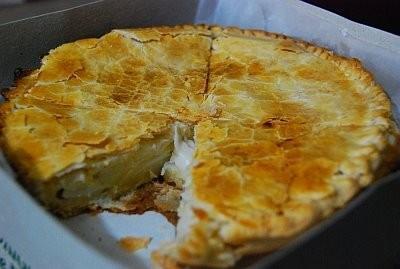
The pie was originally a delicacy only available in the Philippines. People are able to buy it as a pasalubong or homecoming present after having visited the Philippines. It’s traditionally plain, but nowadays it has many flavors like pandan, vanilla, apple or chocolate are used.
ORIGIN
The creators of this Filipino pastry were the Pahud sisters who were locals of the city of Los Baños, Laguna. Soledad Pahud returned to her family in the Philippines after she worked as a maid in the United States. While she was working abroad, she learned to make apple pies. In the process of starting up a bakeshop business, Pahud tried to recreate the American dessert with the help of her sisters. As apples were not native to the Philippines, Pahud along with her family improvised and replaced the ingredient with “buko” or young coconuts. Using “buko” as the ingredient for the pie filling was recommended by one of the sisters named Apolonia because of the resource’s abundance locally. The Pahud sisters’ bakeshop business grew into what is now Orient Buko Pie Bakeshop, their own bakery specializing in buko pies. The sisters also created their own variations of the buko pie which include apple buko pie, pineapple pie, and tropical pie.
NUTRITION
Buko pie is very high in calories and rich in fat, carbohydrates and proteins according to its nutritional value. It is a source of calcium, iron, niacin and folate. As a result of the use of white sugar and condensed milk in the pastry, excess calories are found.
SIMILAR DESSERTS
Buko pie is similar to the Dutch-Indonesian klappertaart and the South African klappertert. Klappertaart differs from the Filipino buko pie as it is a baked creamy coconut custard without the crust, and contains raisins and nuts. Klappertert is most akin to the Filipino buko pie as it also has a crust, but differs in that it also adds apricot jam and a dash of cinnamon to the coconut custard.
Buko pie is also similar to the coconut cream pie of the Southern United States (sometimes known as “coconut custard pie”) in terms of the main ingredients, but they are prepared differently. Buko pie also uses tender young coconut or macapuno and has a much higher ratio of coconut to custard, being more of a “coconut pie” rather than a “custard pie.” Buko pie does not traditionally use vanilla, unlike American custard pies.
 Buko Pie a Popular Dessert